In the sprawling world of retail giants, Walmart stands as a colossus, processing billions of transactions and safeguarding data for millions of customers and employees daily. But beneath the blue vests and endless aisles lies a sophisticated cyber fortress, honed by years of battling digital threats at an unprecedented scale. As we wrap up 2025—a year marked by escalating AI-driven attacks and ransomware surges—peering inside Walmart's cyber defense operations offers more than just intrigue. It provides actionable blueprints for small businesses, where resources are tight but risks are just as real. Whether you're running a local shop or an online startup, Walmart's strategies demonstrate that robust security isn't about size; it's about smarts, automation, and proactive culture.
The Fortress at Scale: Walmart's Cyber Backbone
Walmart's cyber defense isn't a static wall—it's a dynamic ecosystem powered by automation and innovation. Handling 6 trillion data points from telemetry logs each year, the company relies on in-house tools and machine learning to sift through millions of events per minute, detecting anomalies that could signal breaches like supply chain attacks. This defense-in-depth approach includes custom-built systems that block hundreds of millions of attacks annually, from phishing to bot-driven fraud. For instance, their "Grinch Bots" countermeasures thwart illegitimate purchases, neutralizing about 8.5 billion bot attacks monthly.
Governance plays a starring role too. According to Walmart's FY2025 ESG Report, the Chief Information Security Officer leads a dedicated team focused on risk assessment, 24/7 monitoring, and incident response, with oversight from the Audit Committee. Training is mandatory and role-based, reaching 1.3 million U.S. associates in 2025 alone, incorporating phishing simulations and gamified awareness programs to foster a culture of shared responsibility. Privacy by design ensures controls are baked into every project, aligning with global laws and emphasizing transparency through customer notices.
What sets Walmart apart is their commitment to community: They contribute to open-source tools like ViperMonkey, which automates malicious macro analysis, processing a million files yearly instead of just 2,000. Partnerships for threat intelligence sharing amplify defenses, turning individual vigilance into collective strength.
AI at the Frontlines: Four Game-Changing Lessons
Walmart's integration of AI into security isn't futuristic—it's operational reality in 2025. Drawing from their AI security playbook, here are four enterprise lessons, distilled and adapted for small businesses navigating similar threats.

- Taming Agentic Risks: AI agents can autonomously access data or APIs, risking exfiltration or collusion. Walmart counters with AI Security Posture Management (AI-SPM) for real-time monitoring and compliance.Small Business Takeaway: Start with affordable AI monitoring tools (like open-source options) to scan for data leaks in chatbots or automated workflows. It's about building trust without halting innovation—protect your customer data before a glitch becomes a headline.
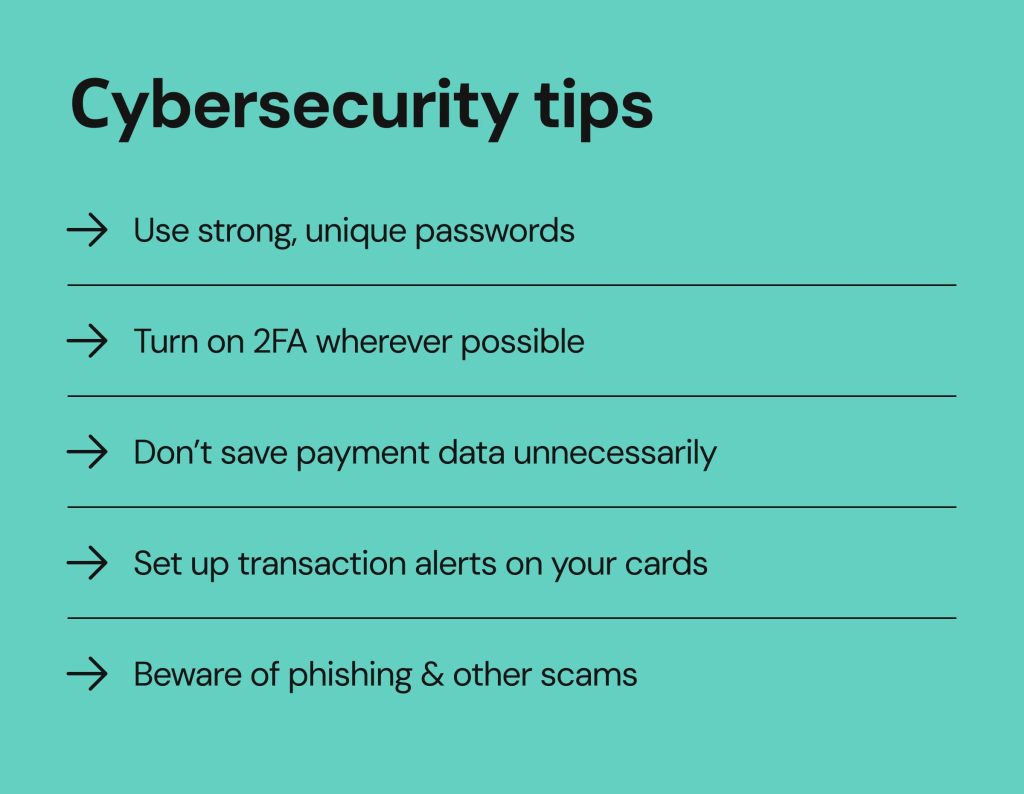
- Rebooting Identity Management: Outdated access controls fail in AI eras. Walmart modernizes IAM with short-lived credentials and context-aware protocols like Zero Trust, evaluating risks dynamically.Small Business Takeaway: Ditch static passwords for multi-factor authentication and role-based access via free tools like Google Workspace or Microsoft Azure. Regularly audit who accesses what, especially in remote setups, to enforce least privilege and slash insider threats.
- Velocity with Governance: Centralized platforms like Walmart's Element AI embed security from day one, enabling fast development with built-in vetting and monitoring.Small Business Takeaway: Consolidate your tech stack—use a single cloud provider for AI tools to streamline oversight. Implement simple governance checklists for new apps, ensuring security scans are routine, not reactive. This lets you innovate quickly while keeping risks in check.
- AI vs. AI Defense: Pitting AI against threats, Walmart uses ML for anomaly detection and generative AI for red-teaming simulations to preempt attacks like advanced phishing.Small Business Takeaway: Leverage accessible AI, such as free antivirus with behavioral analysis or tools like ChatGPT for mock phishing drills. Simulate attacks quarterly to train your team, turning potential vulnerabilities into strengths without breaking the bank.
These lessons highlight Walmart's shift from reactive to predictive security, blending tech with human insight.
Scaling Down: Practical Applications for Your Business
Small businesses might not have Walmart's budget, but the principles scale beautifully. First, prioritize automation: Even basic tools like automated backups and firewall logs can mimic Walmart's anomaly detection, preventing minor issues from escalating.
Invest in training—free resources from cybersecurity.org or Walmart's own hygiene tips can educate your staff on scams.
Embrace open-source and partnerships: Contribute to or use community tools to stay ahead of threats without solo R&D. Finally, adopt a Zero Trust mindset—verify everything, from vendor access to employee logins—to build resilience against the 2025 threat landscape, where AI-amplified attacks are the norm.
Fortifying the Future
Walmart's cyber defense isn't impenetrable, but it's a masterclass in adaptability, proving that even titans learn from every skirmish. For small businesses, these insights are gold: Automate where possible, govern with intention, and leverage AI wisely. In a digital world where threats don't discriminate by size, channeling Walmart's strategies could be the difference between thriving and surviving. As 2026 dawns, audit your defenses today—your business's holiday gift to itself.
Insights drawn from Walmart Global Tech, VentureBeat, Cybersecurity Dive, and Walmart's FY2025 ESG Report.
Comments
Post a Comment
If you have any doubt, Questions and query please leave your comments