Yes, pursuing a career centered on AutoCAD remains a solid choice in the USA, especially for those who enjoy technical drafting, precision work, and stable employment in established industries. While pure "drafter" roles show slight decline, AutoCAD skills are highly transferable, in steady demand, and pay competitively—often better than many entry-level tech or creative jobs.

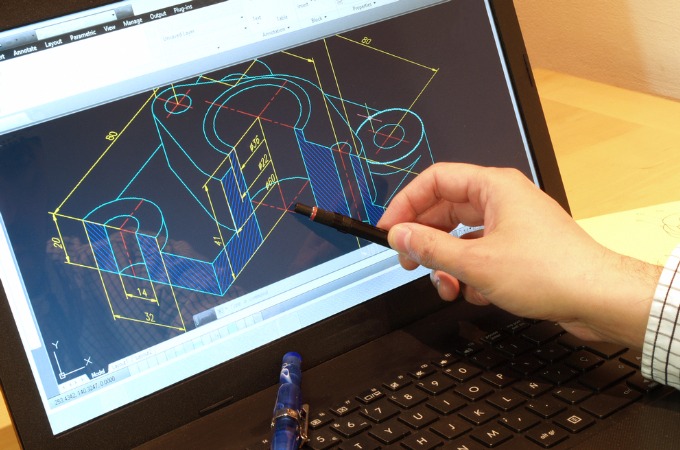
Job Market Outlook
- Overall Demand: AutoCAD is the industry standard for 2D drafting and remains essential in architecture, engineering, construction (AEC), manufacturing, and civil projects. Many firms require DWG compatibility, legacy file maintenance, and precise technical drawings that tools like Revit or SketchUp don't fully replace.
- Growth Trends: BLS and Zippia project a slight decline (~2-3%) in traditional drafting jobs through 2032 due to automation and BIM shifts. However, thousands of openings persist from retirements, and broader CAD roles (including AutoCAD) are stable or growing at average rates (~7% in some segments).
- Current Openings: Tens of thousands of AutoCAD-related jobs are active nationwide, with consistent postings on platforms like ZipRecruiter and Glassdoor.

Salary Expectations (2025 Averages)
| Role | Average Annual Salary | Hourly Rate | Entry-Level | Experienced |
|---|---|---|---|---|
| CAD/AutoCAD Drafter | $63,000–$75,000 | $25–$36 | $45,000–$55,000 | $80,000+ |
| AutoCAD Designer | $68,000–$77,000 | $25–$37 | $50,000+ | $90,000+ |
| Specialized (e.g., Civil/Mechanical) | $75,000–$102,000 | $36–$49 | $60,000+ | $110,000+ |
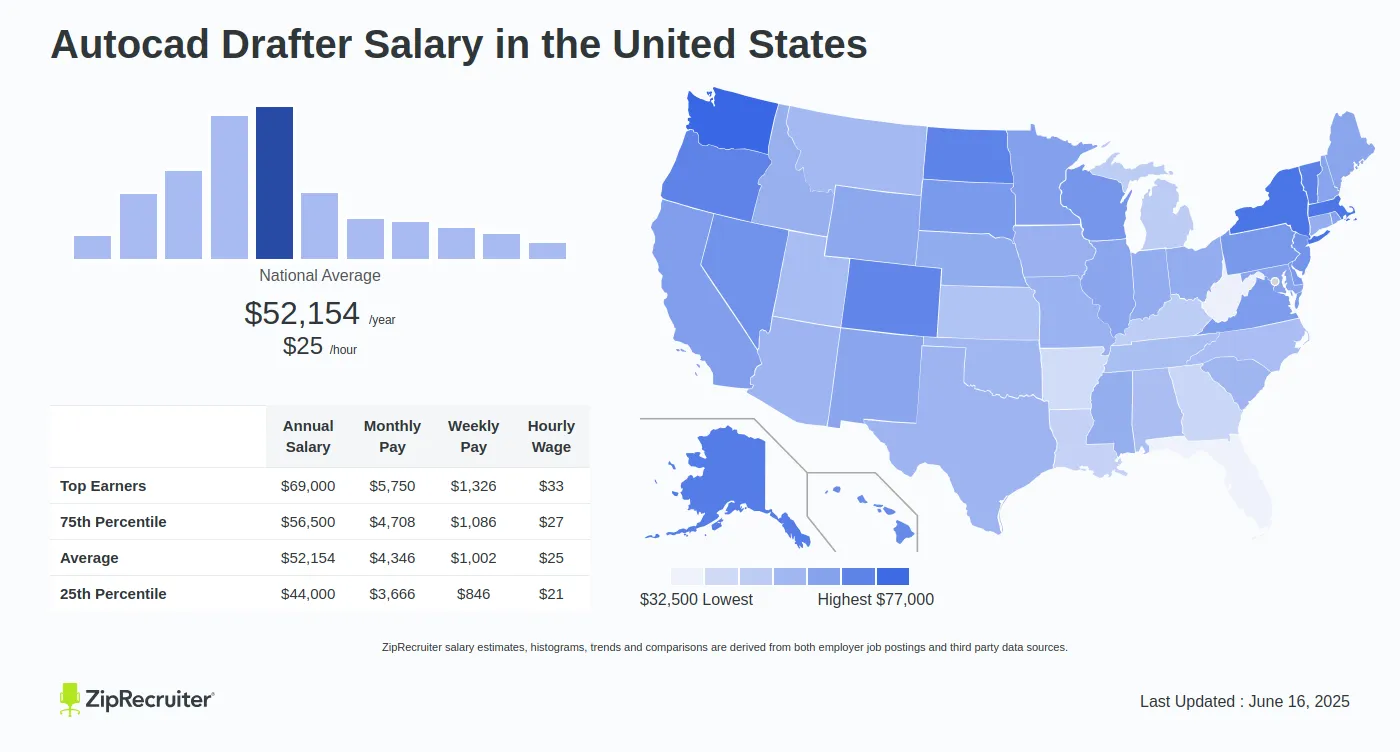
Salaries vary by location (higher in CA, AK, NY), experience, and industry (aerospace/defense pay premium).
Pros of an AutoCAD Career
- Low Barrier to Entry — Certification or associate degree suffices; training takes months.
- Job Stability — Essential for legacy projects, compliance drawings, and interdisciplinary work.
- Versatility — Skills transfer to Revit, Civil 3D, Inventor—boosting advancement.
- Work Variety — Remote/hybrid options, freelance potential, and diverse sectors (construction boom helps).
Cons and Considerations
- Pure 2D drafting roles may automate or shift to BIM (e.g., Revit).
- Competition from offshore drafting exists in some firms.
- Top growth is in combined skills (AutoCAD + 3D/BIM/GIS).
Bottom Line
AutoCAD expertise is far from obsolete—it's a reliable foundation for a rewarding career in design and engineering. If you're detail-oriented and willing to upskill (e.g., add Revit or certification), it's a strong yes for good pay, stability, and opportunities in 2025 and beyond. Start with Autodesk certification to stand out! 🖥️
Comments
Post a Comment