If you've been in Windows admin trenches for years, NTLM (New Technology LAN Manager) has probably haunted your event logs more times than you'd like to admit. That ancient authentication relic from the Windows NT era? Microsoft is finally serious about retiring it.
On January 29, 2026, Microsoft officially detailed a structured three-stage plan to phase out NTLM in favor of the far more secure Kerberos protocol. This isn't a sudden kill-switch—it's a thoughtful, low-disruption roadmap that builds visibility first, fixes pain points second, and locks down defaults third. Announced via the Windows IT Pro Blog, the goal is clear: deliver Windows in a "secure-by-default" state where network NTLM is blocked automatically, pushing everything toward Kerberos-based auth.
Why now? NTLM's weaknesses—pass-the-hash, relay attacks, no mutual auth—are well-known attack vectors. Kerberos offers ticket-based, encrypted, mutual authentication via a trusted Key Distribution Center (KDC). Here's a clear visual of the classic Kerberos flow in an Active Directory environment:
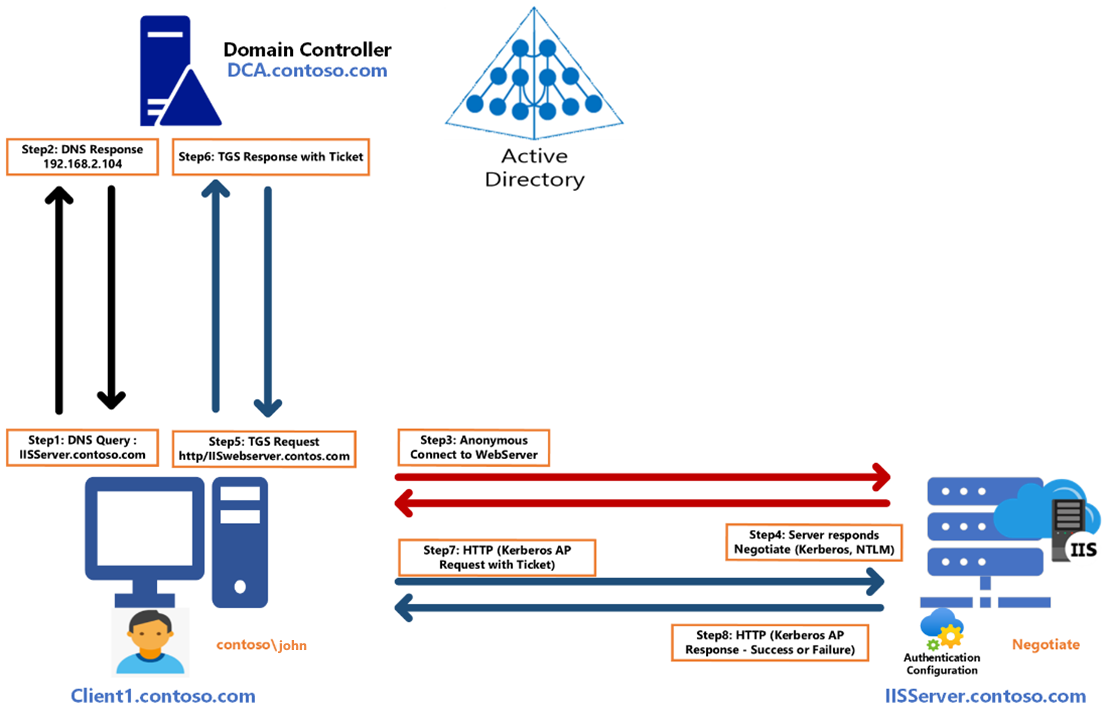
As shown, the client requests a Ticket-Granting Ticket (TGT), gets service tickets, and authenticates without ever sending passwords over the wire—unlike NTLM's challenge-response hashing.
Breaking Down the Three-Stage Roadmap
Microsoft's plan is phased to give enterprises breathing room—no overnight breakage for legacy printers, old apps, or crusty third-party tools.
- Phase 1: Enhanced Auditing & Visibility (Available Now – 2026) Focus: Know thy enemy. Windows 11 24H2, Server 2025, and later get beefed-up NTLM logging. New event IDs track where NTLM is used, why (e.g., fallback scenarios), and by whom. Group Policy and tools help map dependencies. Action item for admins: Enable these audits ASAP. Start remediation before things get enforced. Microsoft stresses this "meet you where you are" approach—no forced changes yet.
- Phase 2: Kerberos Boosts & Fallback Fixes (Second Half of 2026) This is where the magic happens. Microsoft introduces:
- IAKerb (Initial Authentication Kerberos) for internet-facing scenarios without VPNs.
- Local KDC for offline/isolated environments. Core Windows components get updated to negotiate Kerberos first, reducing NTLM fallback. Timeline: Rolling out in H2 2026 for Windows Server 2025 / Windows 11 24H2+ devices. These features directly tackle common NTLM triggers like missing SPNs or local accounts.
- Phase 3: Disable by Default (Next Major Releases – Post-2026) The big one: In the upcoming Windows Server LTSC release (and matching client versions), network NTLM authentication turns off out-of-the-box. NTLM stays in the OS for backward compatibility—you can re-enable via new policy controls—but it's no longer automatic. This aligns with broader Zero Trust goals and passwordless pushes (Entra ID integration, etc.).
Note: This is separate from (but related to) NTLMv1-specific changes—v1 is already gone in 24H2/Server 2025, with auditing/enforcement rolling through 2026.
Why This Is a Massive Security Win (and Some Real Talk on Challenges)
Upsides:
- Reduced attack surface — No more easy relay (Responder, etc.), pass-the-hash, or MiTM on NTLM.
- Better compliance — Aligns with NIST, Zero Trust, and modern standards.
- Future-proofing — Kerberos scales better, supports delegation, and plays nice with cloud-hybrid (Entra ID).
- Performance — Fewer round-trips in many cases.
Potential headaches:
- Legacy gear (printers, NAS, old apps) may break without tweaks.
- Cross-forest trusts or non-domain scenarios often fallback to NTLM.
- Testing required—start with audit mode to baseline usage.
Pro tip from the trenches: Use Microsoft's NTLM auditing enhancements now. Scan your environment with tools like PowerShell scripts or third-party monitors. Remediate high-risk spots before Phase 2 lands.
Another helpful visual—comparing NTLM vs Kerberos side-by-side:

See how NTLM relies on hashed challenges while Kerberos uses tickets? Night and day in security.
Final Thoughts: Time to Kerberize Your Environment
Microsoft's NTLM phase-out is long overdue but smartly executed—visibility first, fixes next, enforcement last. For Indian enterprises juggling hybrid setups, this is a golden window to audit, migrate, and harden before defaults flip.
If you're an admin, start auditing today. Developers, prefer Negotiate (which tries Kerberos first). Thoughts? Will this break your legacy stack, or are you already Kerberos-heavy? Drop comments below—I read every one.