Security culture, particularly in the context of cybersecurity, refers to the shared values, beliefs, attitudes, norms, and behaviors within an organization that shape how security is perceived, prioritized, and practiced by everyone—not just the IT or security team.
A widely accepted definition comes from industry leaders like KnowBe4: Security culture is the ideas, customs, and social behaviors of a group that influence its security. Other authoritative sources describe it similarly:
- As the set of values shared by everyone in an organization that determine how people are expected to think about and approach security (NPSA, UK government advisory body).
- As security-related norms, values, attitudes, and assumptions inherent in daily operations, reflected in actions and behaviors (ICAO, in aviation security contexts).
- As the unconscious way things are done to protect information, extending across individuals, organizations, and even nations (scholarly definitions from IGI Global).
In essence, a strong security culture embeds security into the organization's "DNA," making secure practices habitual and turning employees from potential vulnerabilities (often called the "weakest link") into active defenders—sometimes referred to as the human firewall.
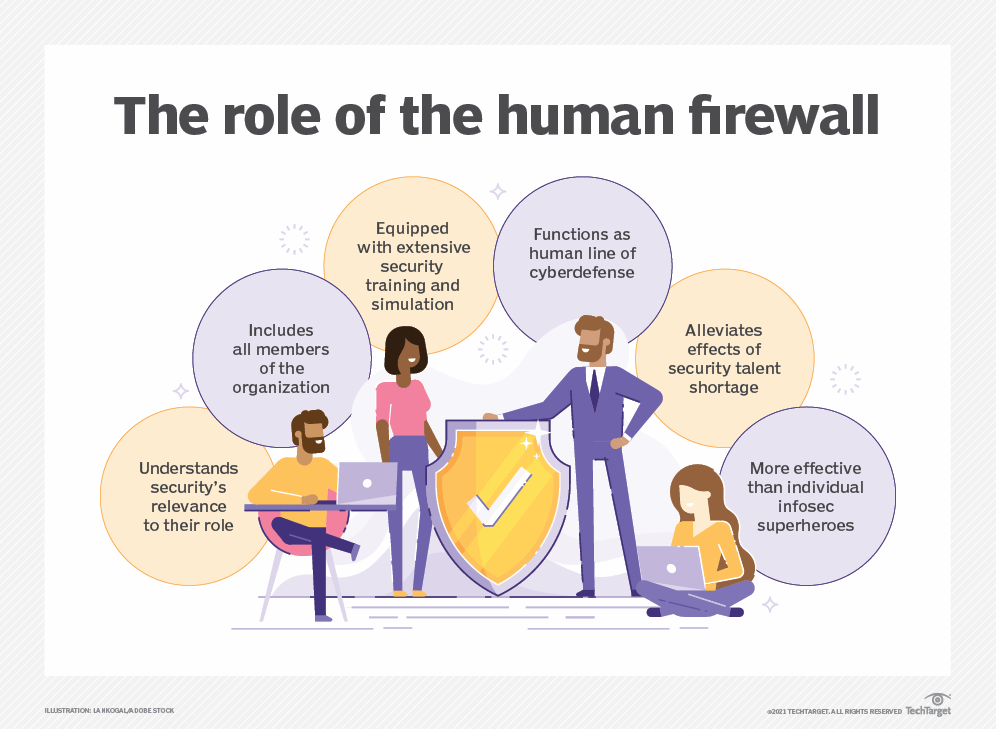

Key Components of Security Culture
- Attitudes and Beliefs — Employees view security as a shared responsibility, not just an IT burden.
- Behaviors — Everyday actions like reporting suspicious emails, using strong passwords, or locking devices become automatic.
- Norms and Leadership — Leaders model good practices, policies support security, and there's open communication about risks.
- Knowledge and Awareness — Ongoing training ensures everyone understands threats and their role in mitigation.
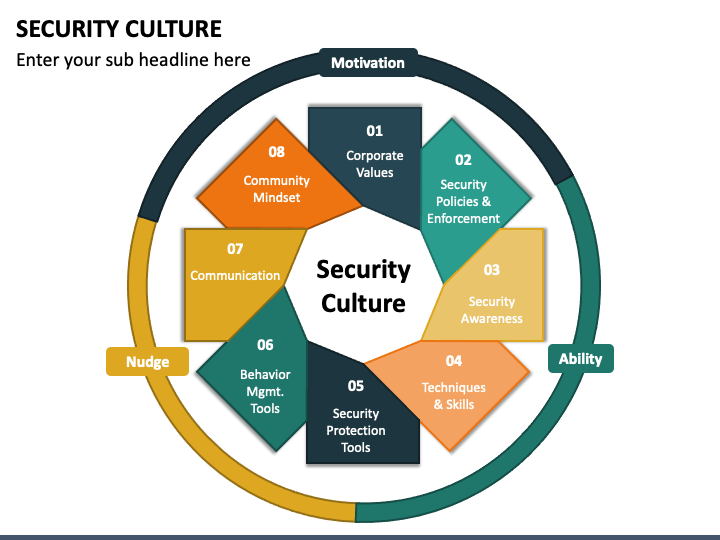

Unlike one-off training, security culture is ongoing and cultural—it evolves through consistent reinforcement, measurement (e.g., via surveys or maturity models), and integration into business processes. Organizations with mature security cultures experience fewer breaches driven by human error, faster incident response, and greater overall resilience.
(Note: In activist or anarchist contexts, "security culture" has a different meaning—practices to avoid surveillance or infiltration—but in professional and corporate discussions, it overwhelmingly refers to organizational cybersecurity or protective security.)
Comments
Post a Comment