As the clock strikes midnight on December 31, 2025, billions of WhatsApp messages will flood in with "Happy New Year 2026!" wishes. Fireworks emojis, heartfelt notes, and animated greetings from friends and family—it's all part of the joy. But lurking among these innocent messages are sophisticated scams designed to turn your celebration into a nightmare.
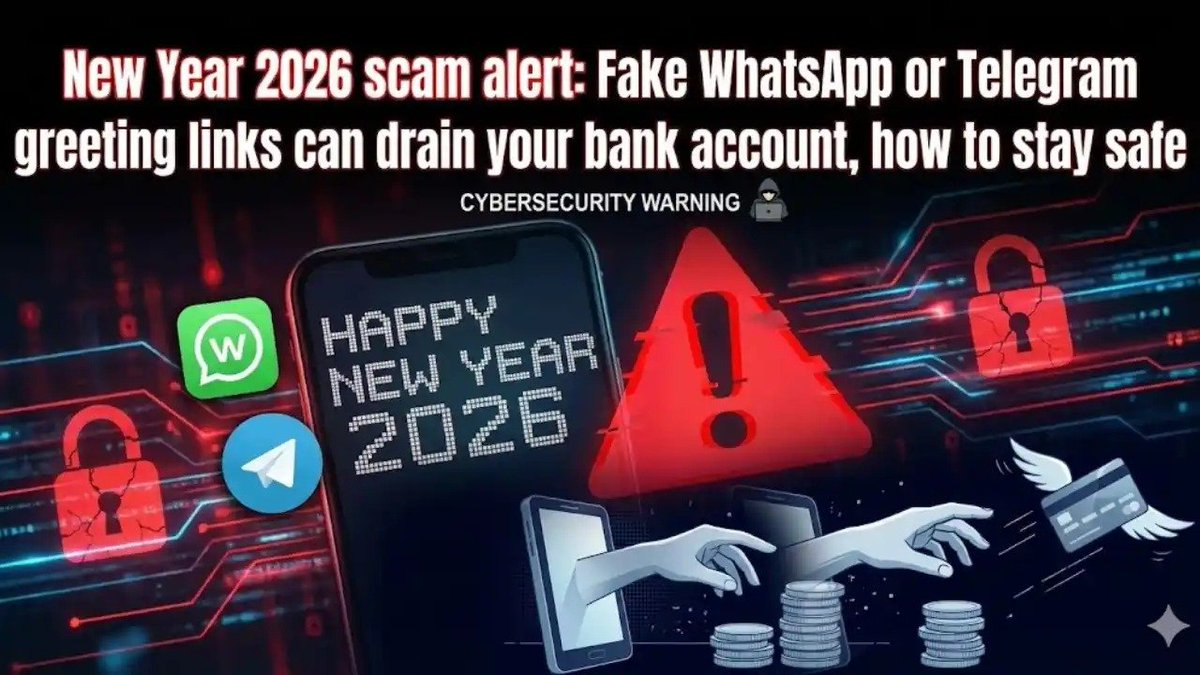
Cybercriminals love festive seasons. With everyone relaxed and eager to share cheer, vigilance drops, making it the perfect time to strike. This year, authorities across India, including Hyderabad Cyber Crime Police and the Telangana Cyber Security Bureau, have issued urgent warnings about a surging wave of New Year greeting scams on WhatsApp.
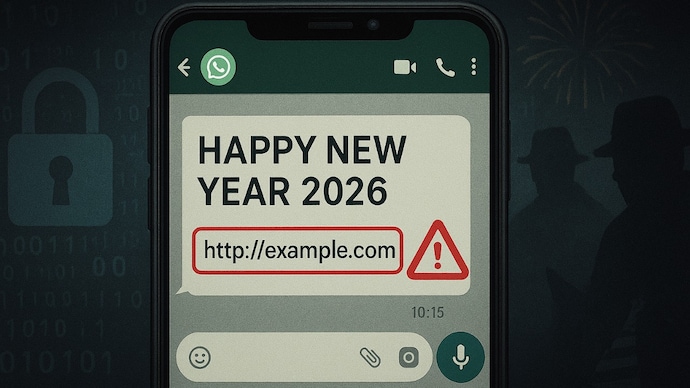
How the Scam Works: From Cheer to Financial Fear
The scam is deceptively simple yet devastatingly effective:
You receive a message: "Happy New Year 2026! 🎉 Click here for your personalized greeting card!" or "Open this special New Year surprise gift from me!"
- It might come from an unknown number or, worse, a hacked contact (friend, relative, or colleague).
The message includes a link or an attached file (often an .APK file disguised as a greeting app).
Clicking the link or downloading the file installs malware on your phone.
The malware quietly requests permissions (SMS access, notifications, contacts) and can:
- Steal banking OTPs
- Hijack your WhatsApp account to spread the scam further
- Drain your bank account via small, undetected UPI transactions
- Access personal data for identity theft
In real cases reported this season, victims lost thousands within hours. One user installed a "greeting app" only to see unauthorized transactions pile up. Another's compromised WhatsApp started auto-sending scam links to their entire contact list.

Train yourself to pause before tapping:
- Unsolicited links or downloads: Real greetings don't require clicking or installing anything.
- Urgency or rewards: Phrases like "Claim your gift now!" or "Limited-time New Year offer!"
- From known contacts but suspicious: If it's oddly generic or pushes a link, call the sender to verify.
- APK files: Never install apps from WhatsApp—stick to official stores like Google Play.
- Poor language or formatting: Robotic text, mixed languages, or spelling errors.
Remember the golden rule from experts: No genuine New Year greeting needs an app, link, or permission to spread joy.
How to Stay Safe and Celebrate Securely
Protect yourself with these practical steps:
- Don't click unknown links: Even from trusted contacts—verify first.
- Enable two-step verification on WhatsApp (Settings > Account > Two-step verification).
- Update your apps and OS: Patches fix known vulnerabilities.
- Use antivirus: Apps like those from reputable providers can detect malware.
- Report immediately: If scammed, call India's cyber helpline 1930 or report at cybercrime.gov.in.
- Spread real cheer: Send simple text wishes or voice notes—no forwards needed.
This New Year, let's resolve to be smarter online. Scammers evolve, but so can we. Share this alert with your groups (the safe way!), stay vigilant, and ring in 2026 with peace of mind.
Wishing you a genuinely happy, scam-free New Year! 🎆
(Sources: Warnings from Hyderabad Cyber Crimes, Indian Express, The Hindu, Times of India, and other cybersecurity reports as of December 31, 2025.)
Comments
Post a Comment