Windows 10 has been unsupported since October 14, 2025. Microsoft no longer provides free security patches for new vulnerabilities, making the ~40-43% of PCs still running it (per StatCounter) attractive targets. Cybercriminals closely watch end-of-life (EOL) dates, knowing unpatched systems are "soft targets" for exploits like malware, ransomware, and remote code execution.

Illustration highlighting why EOL Windows 10 appeals to hackers.
Pyramid showing evolution of Windows exploits, relevant to unpatched legacy systems.
Why Windows 10 Is a Prime Target Now
- Unpatched Vulnerabilities Accumulate: Any flaw discovered after October 2025 stays open forever (unless you pay for ESU). Attackers reverse-engineer Windows 11 patches to create "forever-day" exploits for Windows 10.
- Large Install Base: Hundreds of millions of devices remain, including in businesses and critical sectors—high reward for attackers.
- Historical Precedent: Unsupported OSes get hammered:
- Windows XP: Hit hard by WannaCry (2017), years after EOL.
- Windows 7: Exploited via BlueKeep (2019) and PrintNightmare (2021). Experts predict similar surges for Windows 10.
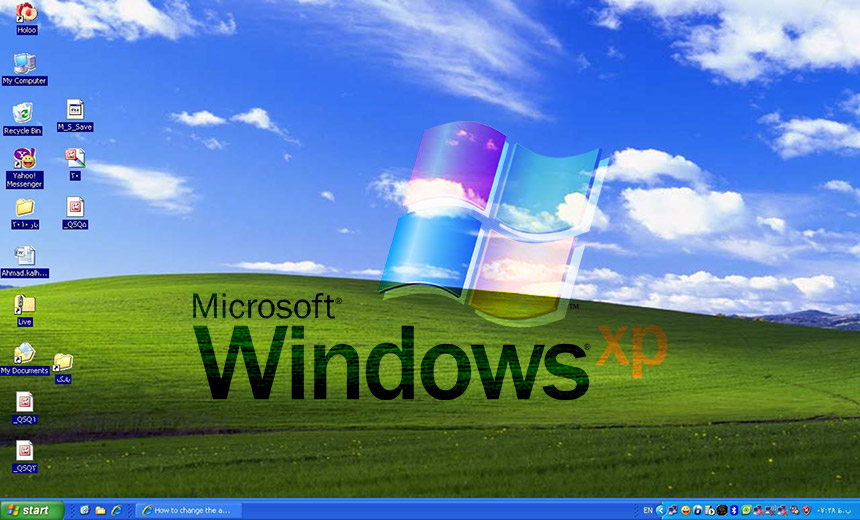
Emergency patch announcement for old Windows XP, showing rare responses to massive threats on EOL systems.
- Recent Evidence (2025): Post-EOL vulnerabilities like CVE-2025-62215 (kernel privilege escalation) were actively exploited shortly after disclosure. Ransomware groups and nation-states prioritize unpatched Windows 10 for entry points.
Full-screen EOL warnings Microsoft pushed to Windows 10 users.
Mitigation Options
- Upgrade to Windows 11: Free if eligible; most secure long-term.
- Extended Security Updates (ESU): Paid program (starts ~$30/year for consumers) delivers critical patches until October 2026 (or longer for enterprises).
- Other Steps: Strong antivirus, safe habits, or switch to Linux—but risks grow monthly without patches.
Bottom line: Yes, expect increased targeting. The longer you stay on unsupported Windows 10, the higher the risk. Act now!
Comments
Post a Comment